Precision in the Pipeline: How the Middle East Oil & Gas Sector is Using AI for Workflow Automation
Beyond the drill bit: How regional energy giants are leveraging intelligent automation to redefine MTCIT energy program from the reservoir to the boardroom.
The Middle East has long been the heart of the global energy landscape. Today, that heart is beating with a digital pulse. Faced with the dual pressures of market volatility and the global energy transition, national oil companies (NOCs) across the GCC—from ADNOC in the UAE to PDO in Oman—are turning to Artificial Intelligence to automate the complex workflows that keep the world running.
1. Reimagining Data Processing: From Months to Minutes
In the oil and gas industry, data is the new crude. Historically, processing seismic data to identify potential reservoirs or analyzing daily production logs was a labor-intensive manual process that could take months. AI has changed the game.
Deep learning algorithms can now ingest vast amounts of geoscientific data, identifying patterns and anomalies that human eyes might miss. This isn’t just about speed; it’s about precision. By automating the interpretation of sub-surface data, companies can reduce drilling risks and significantly lower exploratory costs.
2. HSE 2.0: Automating Safety Reporting
In high-risk environments like offshore platforms or refineries, Health, Safety, and Environment (HSE) reporting is non-negotiable. Traditionally, this involved manual logs, paper checklists, and reactive reporting after an incident occurred.
AI workflow automation has shifted the needle to proactive safety. Computer vision systems now monitor live video feeds in real-time to detect if workers are wearing proper PPE or if unauthorized personnel enter restricted zones. When a potential hazard is detected, the system triggers an automated alert workflow, ensuring immediate intervention. Furthermore, AI analyzes historical HSE data to predict potential "near-miss" scenarios, allowing managers to implement preventative measures before a single person is at risk.
3. Procurement and Supply Chain: The Autonomous Inventory
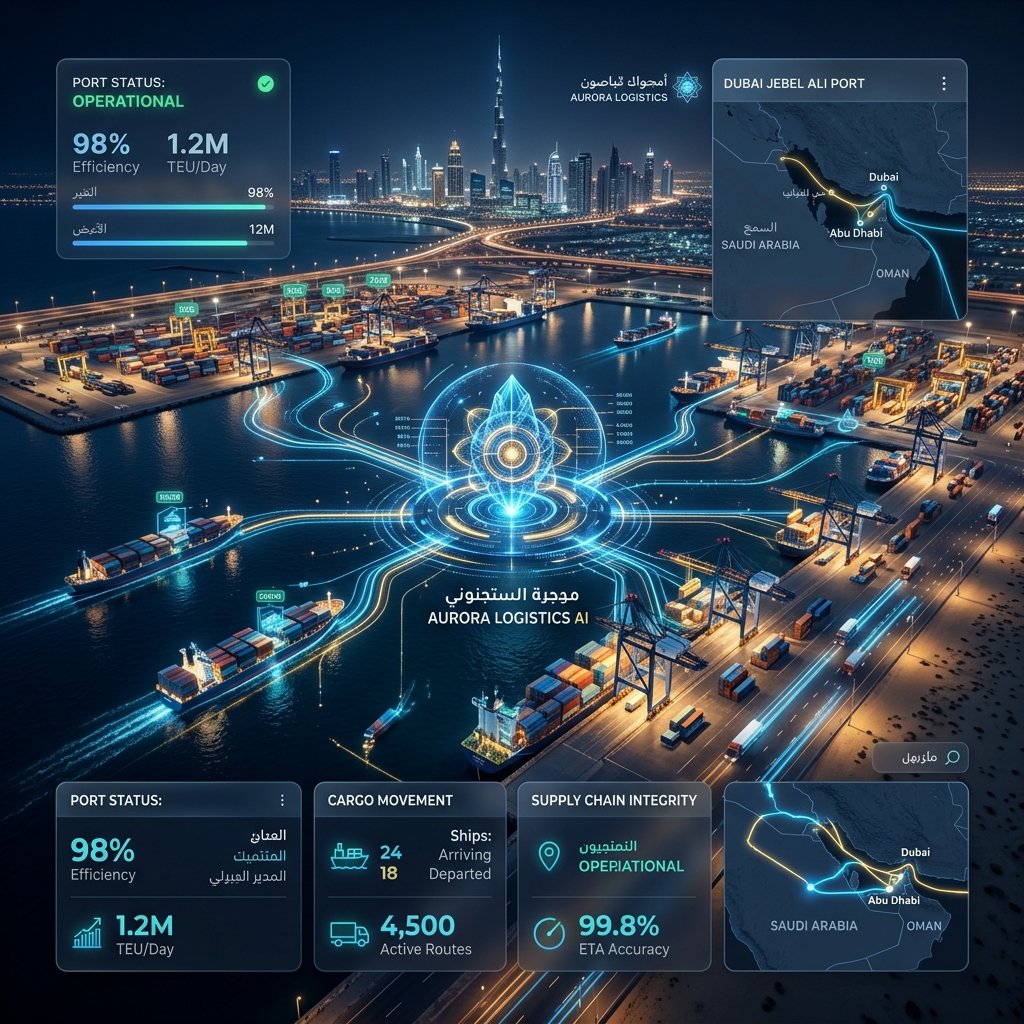
A single missing valve can stall a multi-million-dollar project. In the Middle East, where supply chains often span continents, procurement automation is a strategic imperative.
AI-driven procurement workflows can now predict spare part requirements by analyzing equipment wear-and-tear data from IoT sensors. The system then automatically triggers purchase orders, compares vendor quotes, and tracks shipments. This eliminates the "human bottleneck" in the ordering process, reduces excess inventory costs, and ensures that the right parts are always available at the right time.
The Digital Transformation of the Desert
The shift toward AI workflow automation in the Middle East Oil & Gas sector is more than just a trend; it's a fundamental restructuring of how energy is produced. By taking the "robotic" work out of human hands, these companies are empowering their workforce to focus on high-level strategic decision-making, ensuring that the region remains the global leader in energy for the next generation.
Frequently Asked Questions
How does AI improve supply chain management?
AI predicts demand fluctuations, optimizes delivery routes in real-time, and automates inventory reordering, significantly reducing logistical costs.
What is a realistic timeline for an AI project?
A focused automation project can be designed and deployed in 4-8 weeks. Larger enterprise integrations typically take 3-6 months including testing and staff training.
What is the first step to integrating AI into my business?
The first step is a thorough operational audit to identify repetitive bottlenecks and data silos that can be easily automated for quick wins.
How does AI impact local hiring?
By automating mundane tasks, businesses can hire higher-skilled workers for strategic roles, elevating the overall capability of the local workforce.
Can AI help with marketing and lead generation?
Yes, AI can analyze market trends, generate personalized ad copy, and automatically score incoming leads based on their likelihood to convert.
How does AI handle customer support outside of business hours?
AI chatbots and voice agents provide 24/7 instant responses, capturing leads and resolving common issues even when your physical office is closed.
How do we train our staff to use new AI systems?
A reputable AI agency provides comprehensive onboarding, standard operating procedures, and ongoing support to ensure smooth user adoption.
What if the AI makes a mistake with a customer?
Proper AI implementations use deterministic guardrails and RAG (Retrieval-Augmented Generation) to prevent hallucinations, often keeping a human-in-the-loop for sensitive interactions.
How much does it cost to implement AI in an Omani business?
Costs vary depending on the scope. A simple workflow automation might cost a few hundred Omani Rials, while a full enterprise AI infrastructure can require a larger investment.
Can AI replace my human employees?
AI is designed to augment human workers, not replace them. It handles repetitive administrative tasks, allowing your team to focus on high-value strategy and customer relations.
Ready to Automate Your Business Operations?
AI Profit Lab helps non-technical managers in Oman and the GCC deploy custom AI solutions, automated customer service systems, and real-time dashboards to slash overhead costs and eliminate manual busywork.
Book a Free 30-Minute AI Consultation